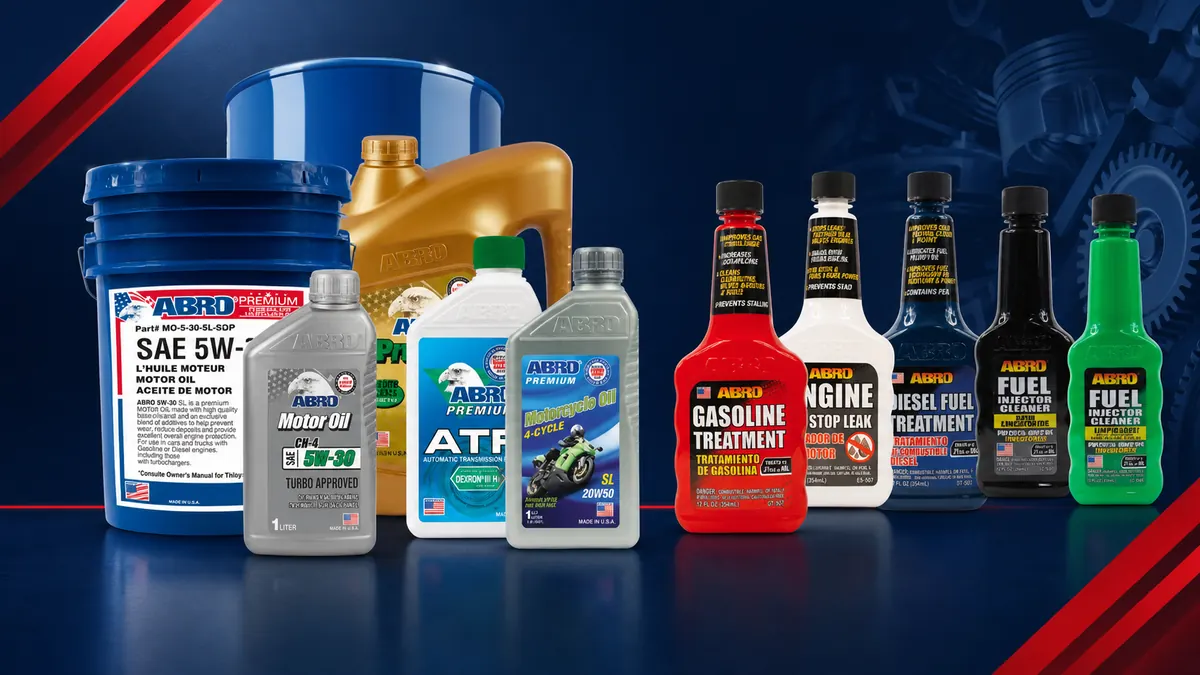
The lowest purchase price is easy to compare, but it rarely shows the complete effect of a part or lubricant on a commercial fleet. Total cost of ownership includes the product, installation, workshop time, vehicle availability, service life, repeat work, related component damage, administration, and the operational consequences of an incorrect choice.
“Quality” should not be treated as a vague label or a reason to buy the most expensive option. For a fleet, quality begins with suitability for the exact application, reliable identification, consistent supply, clear documentation, and performance that can be evaluated over time.
Start with the correct specification
A component that looks similar may differ in material, dimensions, capacity, electrical characteristics, calibration, or operating limits. A lubricant with a familiar viscosity marking may still differ in required performance specifications. Always identify the vehicle accurately and check the approved requirements for its model, year, engine, transmission, system, and operating conditions.
Use the vehicle identification number and a reliable catalog or technical source where appropriate. Record the specification and part reference used. Packaging color, a seller’s general description, or compatibility with a different vehicle is not enough evidence.
Protect traceability
Traceability means being able to show what was purchased, where it came from, which vehicle received it, when it was installed, and who approved the work. Keep invoices, supplier details, batch information when available, product references, installation mileage, and workshop notes together with the vehicle record.
This information supports investigation if a problem appears and makes repeat purchasing more consistent. It also helps the fleet separate a product concern from an installation issue, another system fault, or unusually demanding operation.
Understand the risks of an unsuitable choice
An incorrect part can create poor fit, abnormal wear, noise, electrical faults, leakage, reduced control, or repeated workshop visits. An unsuitable fluid may affect lubrication, temperature management, sealing, cleanliness, or system operation. The exact consequence depends on the vehicle and product; it should not be guessed from a generic warning.
Mixing products without confirming compatibility can also create uncertainty. When a fluid must be topped up or replaced, identify what is already present and follow the relevant service information. If the history is unknown, seek qualified advice rather than relying on color or appearance.
Compare lifecycle value, not price alone
A useful comparison includes unit price, expected service conditions, installation time, likely replacement frequency, availability, and the cost of taking the vehicle out of operation. A cheaper item that requires another visit can cost more overall even if it does not damage another component.
Do not assume a more expensive item will automatically last longer. Use fleet history. Compare similar vehicles, routes, loads, installation practices, and operating periods. A fair review needs enough information to distinguish product performance from alignment, driver behavior, maintenance quality, or another unresolved fault.
Coordinate purchasing and workshop decisions
Procurement teams need clear technical requests, and technicians need visibility into approved suppliers and lead times. Create a simple approval process for substitutions: the alternative should be checked against the required application before purchase or installation, and the final reference should be recorded.
For regularly used filters, brake items, service fluids, and other predictable needs, coordinate demand with a reliable supplier. Stock levels should reflect actual consumption and shelf-life requirements rather than fear of shortages. For uncommon components, accurate diagnosis and identification usually matter more than holding speculative inventory.
Review results as part of fleet maintenance
Track repeat replacements, leaks, noise, warning lights, premature wear, and unplanned visits after parts or fluids are used. Review trends by component, supplier, vehicle, and duty cycle. If a pattern appears, inspect the complete system and installation process before drawing a conclusion.
The best purchasing policy connects technical suitability with operational evidence. Correct specifications reduce uncertainty, traceability makes problems easier to investigate, and lifecycle measurement shows which choices support reliable fleet operation.
Choose parts and lubricants with confidence
Ask King Truck about application checks, supplies, and service support for your commercial fleet.
Contact King Truck on WhatsApp